The Fall of Kidal and the Unravelling of Mali’s Military Legitimacy
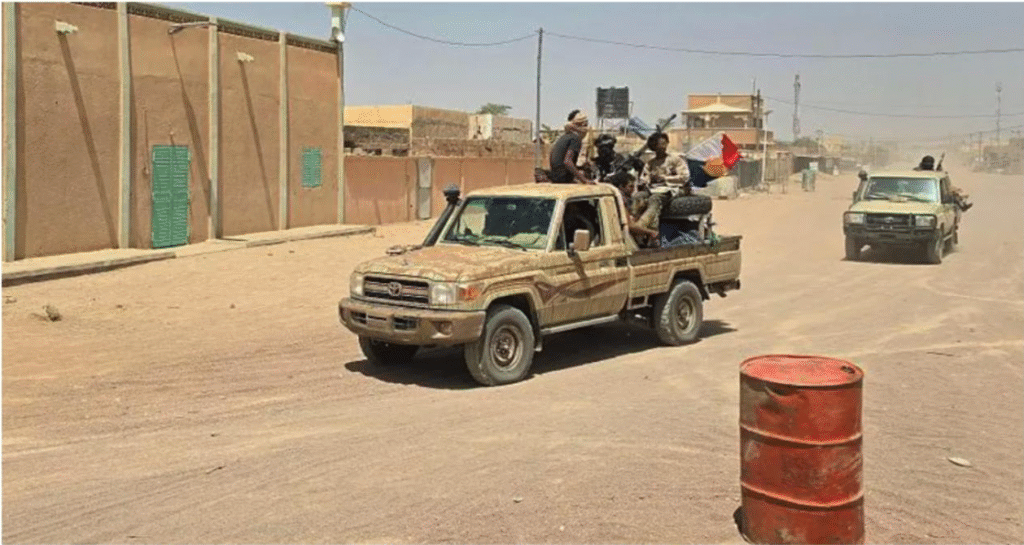
The fall of Kidal to armed groups in April 2026 is far more than a battlefield reversal. It is the moment Mali’s military government confronts the consequences of substituting performance theatre for substantive governance. With this, ‘The fall of Kidal proves that military performance theatre is no substitute for the institutional stability provided by democratic consent. This failure illustrates how relying on external force while marginalizing local voices only accelerates state retreat and long-term instability.
When AI Makes Decisions, Who’s Really in Charge?

Why responsible AI must be built into organizations, not left to external oversight alone. When people talk about governing artificial intelligence, they usually focus on laws, regulations, audits, and public oversight. Those tools matter, but they are only part of the picture. In practice, AI is mostly governed inside companies, long before regulators step in. […]
Shrinking Aid, Rising Instability: The Future of Peacebuilding in Sub-Saharan Africa
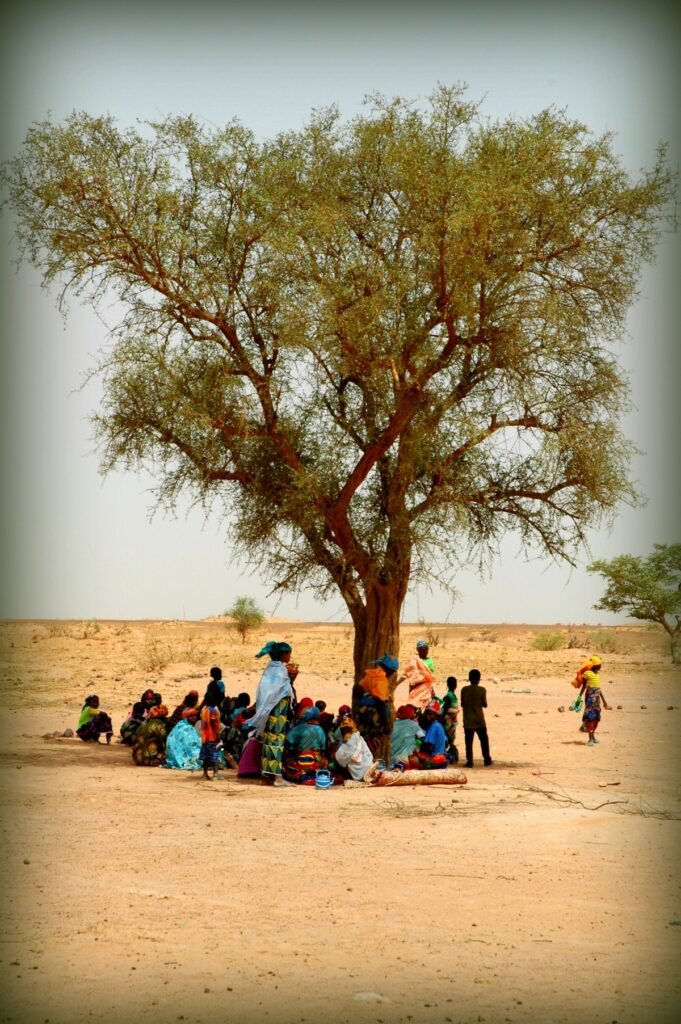
Peacebuilding initiatives across Sub-Saharan Africa are facing a difficult moment. While many post-conflict societies have made significant progress toward stability, dwindling international aid and growing geopolitical rivalries now threaten to reverse these gains. Unless African states rethink how peace initiatives are financed and sustained, the continent risks experiencing recurring cycles of conflict relapse and negative peace.
Aid for Trade and Development Cuts: How Donor Policy Shifts Are Deepening the Climate-Conflict Crisis in the Sahel
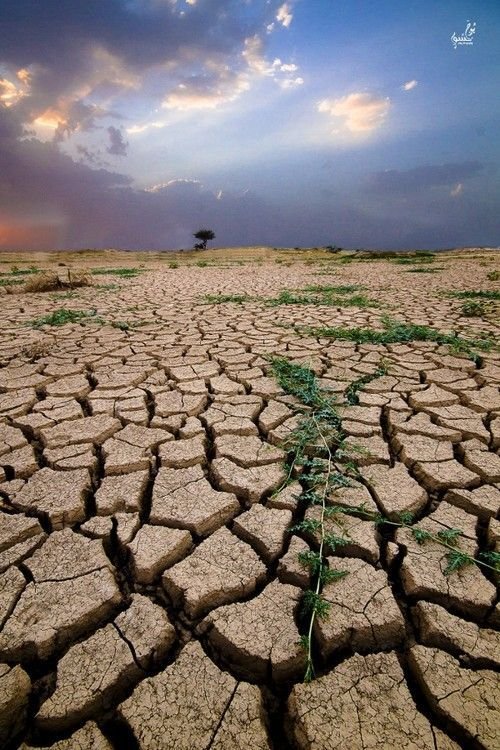
In major global donor capitals, from Washington and Ottawa to London and Paris, a growing “trade over aid” narrative is taking shape, with potentially catastrophic implications for the global humanitarian systems, particularly in the climate and conflict-ravaged Sahel.
Running away from Heat, Hunger and Violence: Understanding the Sequencing of Climate-Conflict Dynamics in the Sahel
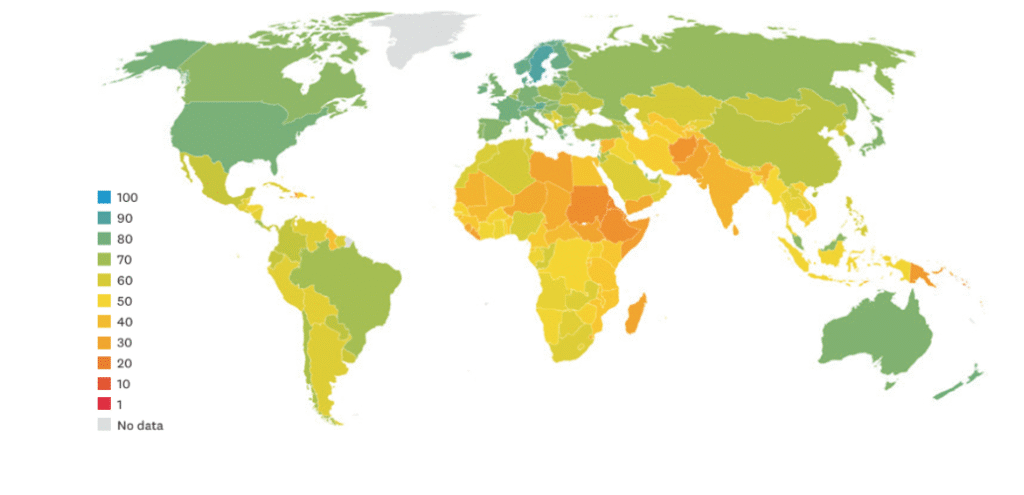
The Sahel has become emblematic of the emerging risks at the intersection of climate change, conflict, and human insecurity. Droughts, erratic rainfall, displacement, and violence increasingly overlap, often prompting common narratives that climate change directly causes conflict.
The Next Digital Divide: Why Africa Risks Becoming an AI Consumer Rather Than an AI Creator

Africa has made major progress in expanding digital connectivity, but artificial intelligence is reshaping the global digital economy. The next challenge is no longer just getting people online. It is ensuring Africa can participate in building and benefiting from AI, rather than relying on technologies developed elsewhere.
Africa’s Digital Infrastructure Is More Exposed Than It Appears
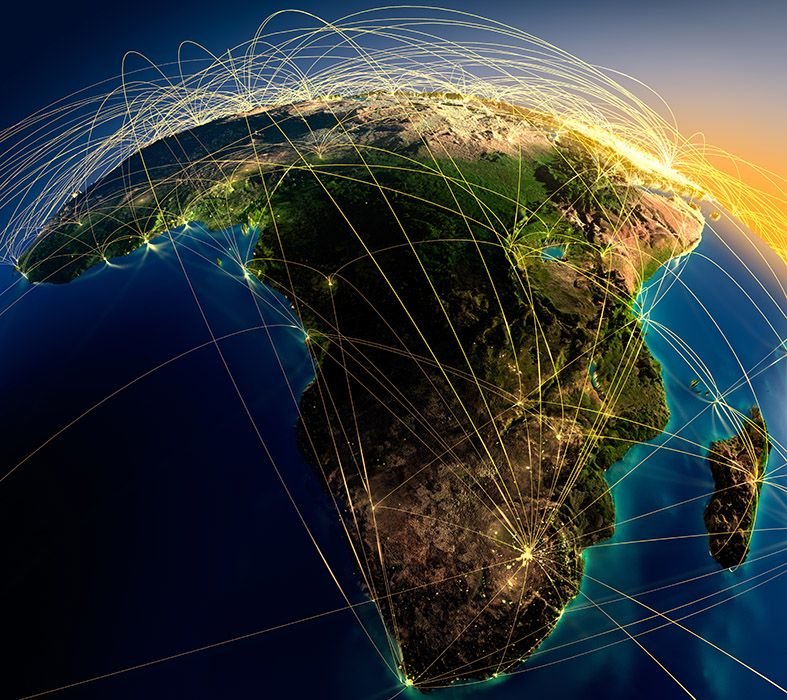
Africa’s digital growth relies heavily on international infrastructure beyond its control. Instability in the Middle East is beginning to expose this dependency, highlighting both the risks and the need to build more resilient, locally anchored digital systems.
From Data Cables to Conflict Corridors: How Middle East Instability is Reshaping Africa’s Security and Political Landscape
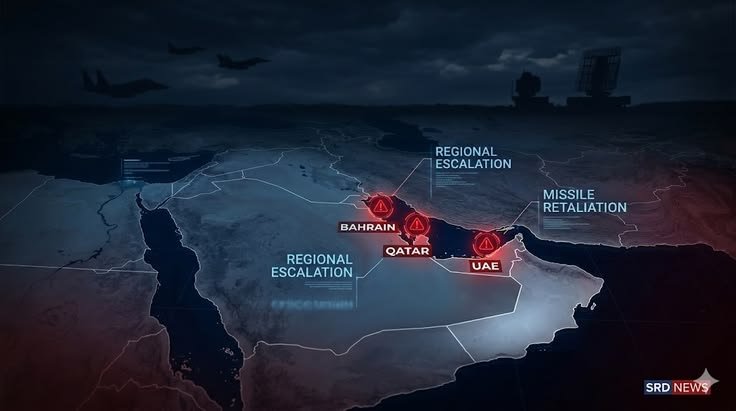
Africa’s growing reliance on digital infrastructure intersects with a volatile geopolitical environment extending from the Middle East. As instability intensifies in that region, its ripple effects are increasingly felt across African security, governance, and political alignments. Understanding this linkage is essential to anticipating Africa’s strategic future.
Empowering roots: Why the World Trade Organization (WTO) Agreement on Fisheries Subsidies matters for small-scale fisheries
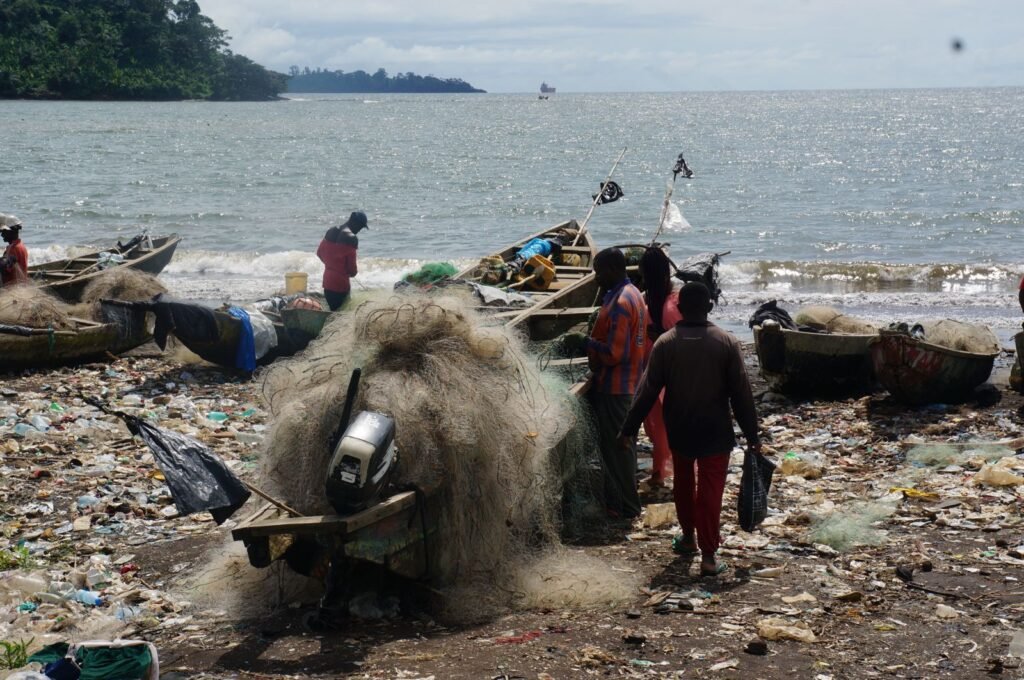
Key highlights –The WTO Agreement on Fisheries Subsidies, adopted in 2022, provides opportunities for Global South countries to reassess and establish better institutional and legal fisheries policies. Through the WTO Fish Fund, countries can identify legislative, regulatory, and institutional gaps in implementing the agreements’ disciplines. Such a process provides opportunities for marginalized small-scale fisheries to engage in socio-legal audits and strategic policy planning. However, potential risk of compliance should not institute new hurdles for SSF actors who lack capacity and resources.
Shaping Development Policies in the Sahel through Evidence-Based Synthesis: Progress from a BAOBAB-CLARE Programme Funded Team
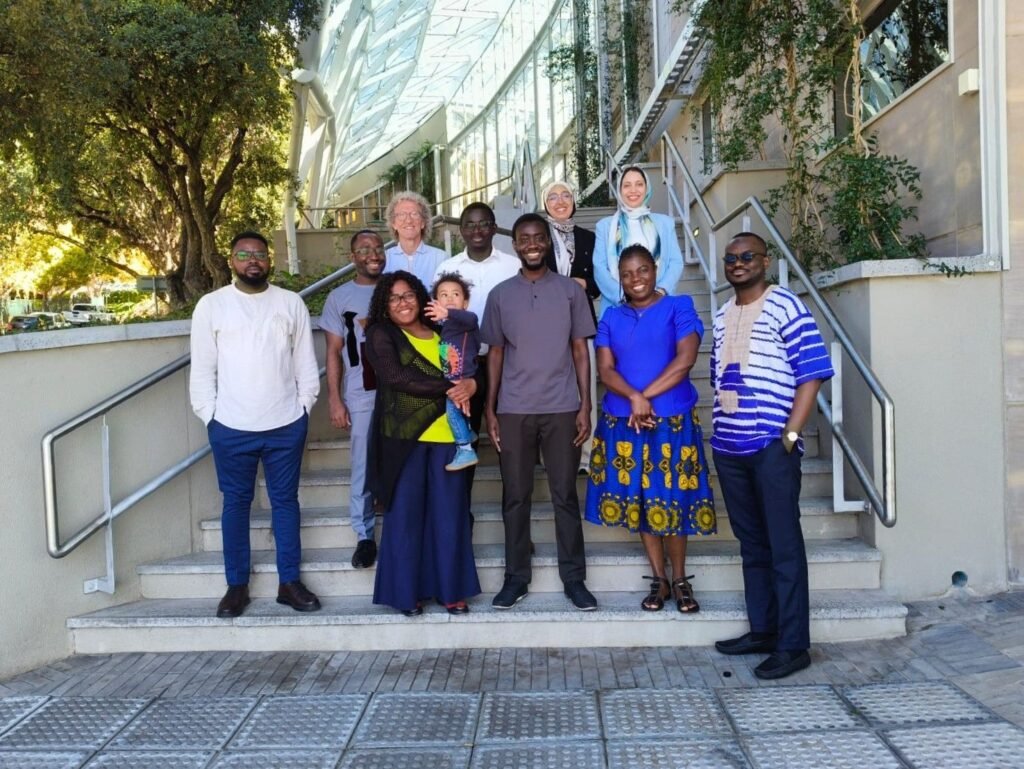
Since early 2025, the “Climate Sahel” team has been gathering and analysing relevant scientific and policy materials across the Sahel region to conduct an in-depth evidence-based research synthesis process to guide development policies in the Sahel. The Climate Sahel team is one of six synthesis research teams supported by the African Synthesis Centre for Climate Change, Environment and Development (ASCEND) within the BAOBAB project at the University of Cape Town with funding from the Climate Adaptation & Resilience (CLARE) Program.