TURNING WASTE INTO WEALTH: HOW CREATIVE RECYCLING CAN DRIVE ENVIRONMENTAL SUSTAINABILITY IN AFRICAN SCHOOLS
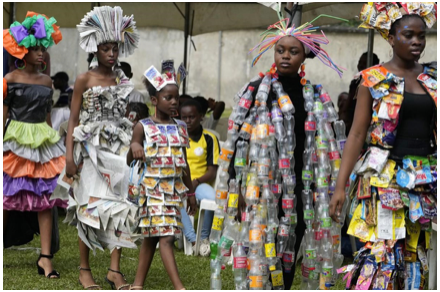
Picture a bustling schoolyard in Nairobi or Lagos where the midday break leaves behind a mosaic of discarded plastic bottles, crisp packets, and cardboard boxes. Across Africa, chronic municipal waste management challenges place a heavy burden on public health and local ecosystems. According to the UN Environment Programme (UNEP), over 90 percent of municipal waste on the continent is disposed of in uncontrolled dumpsites or through open burning. These disposal practices release greenhouse gases and pollute local air and water supplies.
Chokepoints and Consequences: How Disruptions at Hormuz and Bab el-Mandeb Are Affecting the Horn of Africa’s Economy and Security
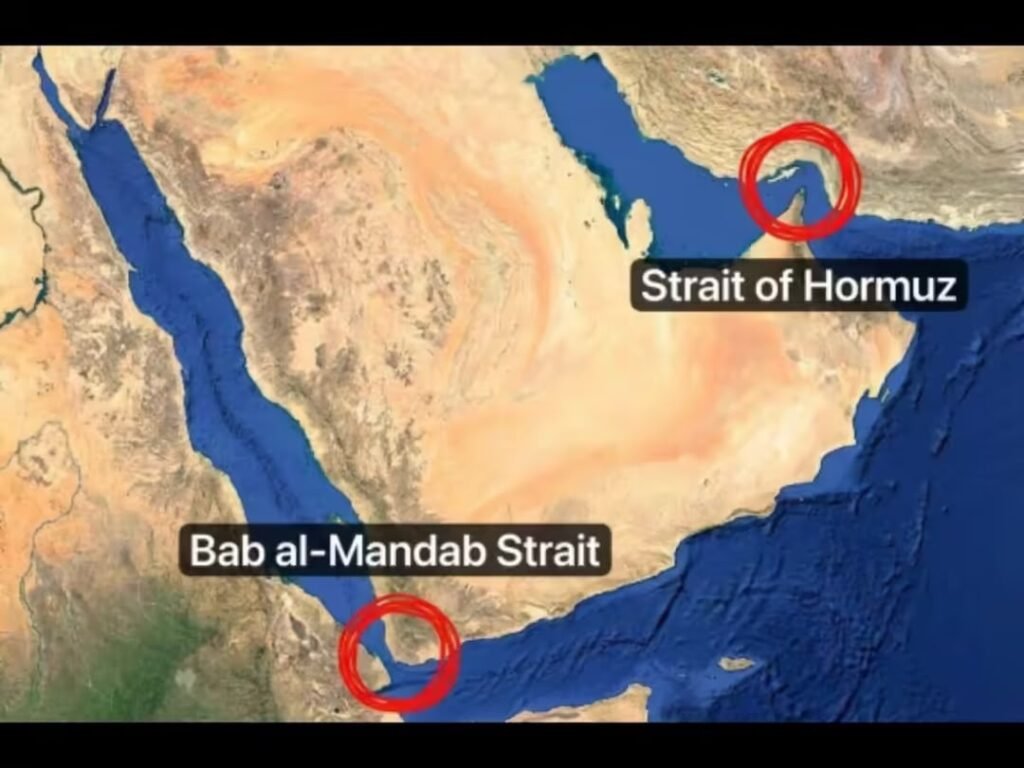
Disruption in the Strait of Hormuz and the Bab el-Mandeb is no longer a distant crisis in the Middle East. For the Horn of Africa, this maritime standoff is directly driving up fuel prices, threatening food security, and complicating fragile peacebuilding efforts across the region. Two of the world’s most crucial maritime passages sit at the center of an expanding conflict, where disruptions at sea translate into immediate price spikes at the pump (such as Somalia’s 150% fuel price jump), surging costs for staple foods and agricultural inputs in Sudan, and renewed operational space for armed groups like al-Shabaab.
Proliferation of Transnational Trafficking in Arms in Sub-Saharan Africa.
Transnational trafficking in arms in Sub-Saharan Africa has reached a worrying dimension today. It is one of the transnational crimes that is not only painting a gruesome picture but also stamping its dominance in the illicit economy. As with all transnational crimes, there are both state and non-state actors in the sphere of transnational trafficking in arms.
Epidémie d’Ebola : entre riposte en contexte de polycrise et instrument de pouvoir en RDC.
Le 24 avril 2026, un premier cas suspect (cas index) présentant des symptômes compatibles avec Ebola est identifié, marquant le début probable de la chaîne de transmission. Deux jours plus tard, le 26 avril, un second cas suspect — membre de la fratrie du premier — développe des symptômes, révélant une transmission intra domiciliaire. Le 27 avril, le décès du cas index survient, suivi le 28 avril par celui du deuxième patient, constituant un cluster à issue fatale. Le 5 mai, les réseaux sociaux rapportent une flambée de décès estimée à 50, ce qui conduit, dès le 6 mai, les autorités sanitaires à initier une vérification de l’alerte. Le 9 mai, le Médecin Chef de Zone de Mongbwalu transmet un rapport d’investigation préliminaire, et le 11 mai, une réunion d’urgence aboutit au déploiement d’équipes d’intervention rapide à Mongbwalu et Rwampara.
When the Camera Enters the Classroom: How the Search for “Likes” Is Redefining the Teacher Student Dynamic
Social media has opened exciting opportunities for educators to share ideas, celebrate learning, and inspire classrooms beyond their own. Yet as cameras become a regular part of teaching, an important question emerges: What happens when the pursuit of online engagement begins to shape what happens inside the classroom? The challenge is no longer whether teachers should create content, but how to do so without compromising children’s learning, privacy, and trust.
Access Denied: Why Women in Rural Communities of Fako and Meme in Cameroon’s Southwest Cannot Access Basic Reproductive Healthcare
In some parts of Cameroon’s Southwest Region, the journey to a health facility is rarely straightforward for a rural woman. It may mean walking several kilometers on unpaved roads, crossing community boundaries, navigating financial constraints, and overcoming the fear of being judged or misunderstood by the very people meant to care for her. In divisions such as Fako and Meme, these journeys occur amid nearly a decade of armed conflict that has damaged health facilities, displaced healthcare workers, and severed transport routes that once connected remote communities to medical care. For many women, the clinic is not simply far; it is out of reach.
Digital Privacy: A Time Bomb in African schools

African schools collect enormous amounts of learner data every day like names, photos, exam results, biometric records, but most have no clear plan for using or protecting it. That is changing fast. Across the continent, governments are passing laws, regulators are issuing fines, and schools that ignore data privacy are beginning to pay the price.
When Ebola and Rumours Cross the Borders: Media’s Role to Combat Misinformation and Panic
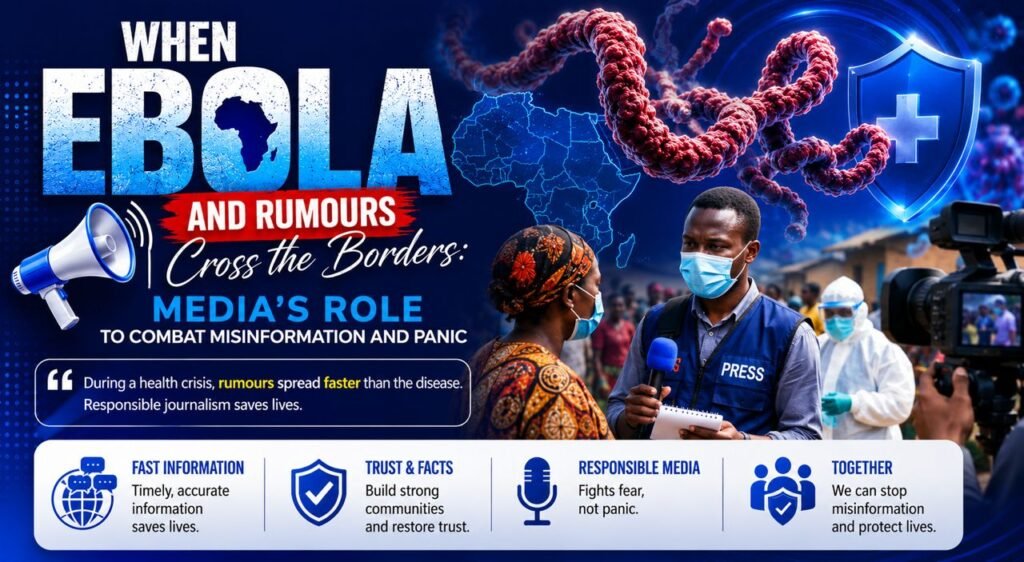
During a health crisis, like the Ebola epidemic, viruses and rumours spread at the same time, but false information moves at a faster rate than the disease itself. This often happens when local networks outpace official channels across borders, leaving communities to rely on informal sources, sparking dangerous panic and, in some cases, resistance to medical care. This is where responsible journalism sets in! It becomes the primary tool to stop such misinformation practices, thereby protecting public health and rebuilding institutional trust in vulnerable areas.
Why Ebola Outbreaks Persist: Shifting the Focus from Emergency to Community
Health responses often focus on rapid medical fixes, but the fight against Ebola in the Democratic Republic of Congo shows that lasting change requires trusting local knowledge. We must move beyond top-down emergency measures to partner with communities if we want to save lives.
What Central African Laws Say About Sexual and Reproductive Health and Rights, and What They Do Not
Persistent gaps in the implementation of sexual and reproductive health policies continue to define the lives of millions of women and girls across Central Africa. While most governments in the region have enacted relevant laws and ratified key treaties, these commitments remain largely on paper.