Menstrual Poverty in Cameroon’s Northwest Region: A Hidden Crisis in a Conflict Zone
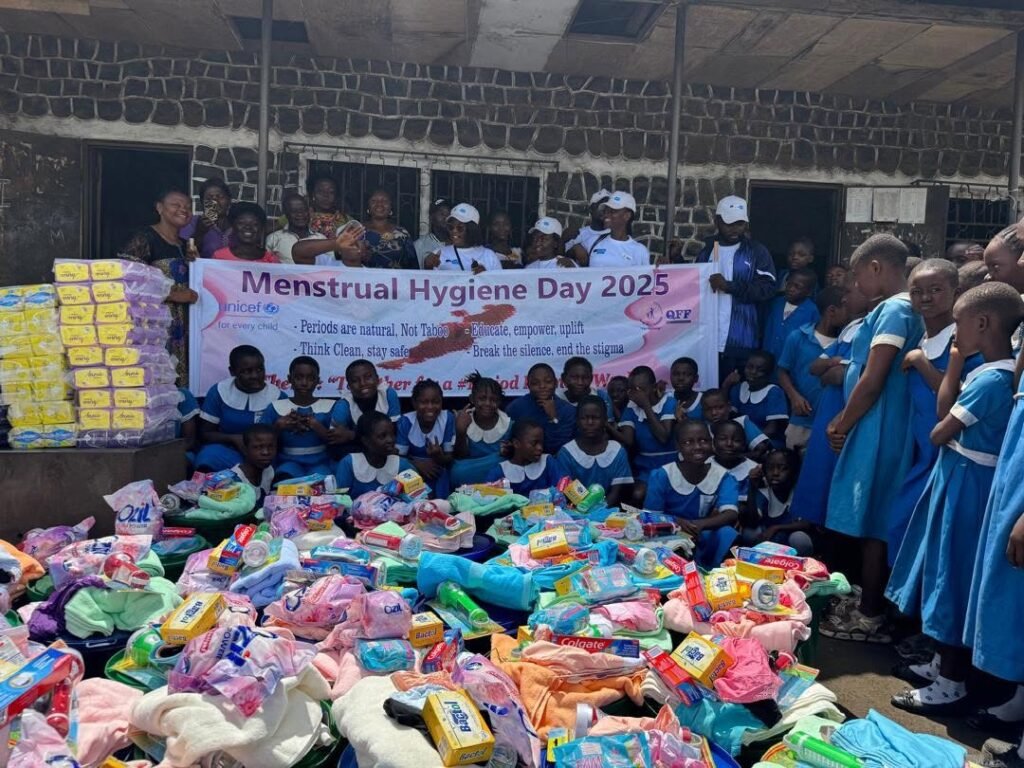
In Cameroon’s conflict-affected Northwest Region, menstruation is not just a biological reality; it is an urgent and overlooked crisis. For too many girls, the start of a period still means the end of a school day. In classrooms without water, privacy, or basic supplies, girls are forced into an impossible choice: leave and fall behind, or stay and endure discomfort, stigma, and risk. What should be a normal part of life becomes a recurring disruption, silencing confidence, limiting opportunity, and steadily pushing girls out of the spaces they have every right to occupy.
Rethinking Climate Adaptation in Africa: Why Local Knowledge and Information Integrity Cannot be Separated.
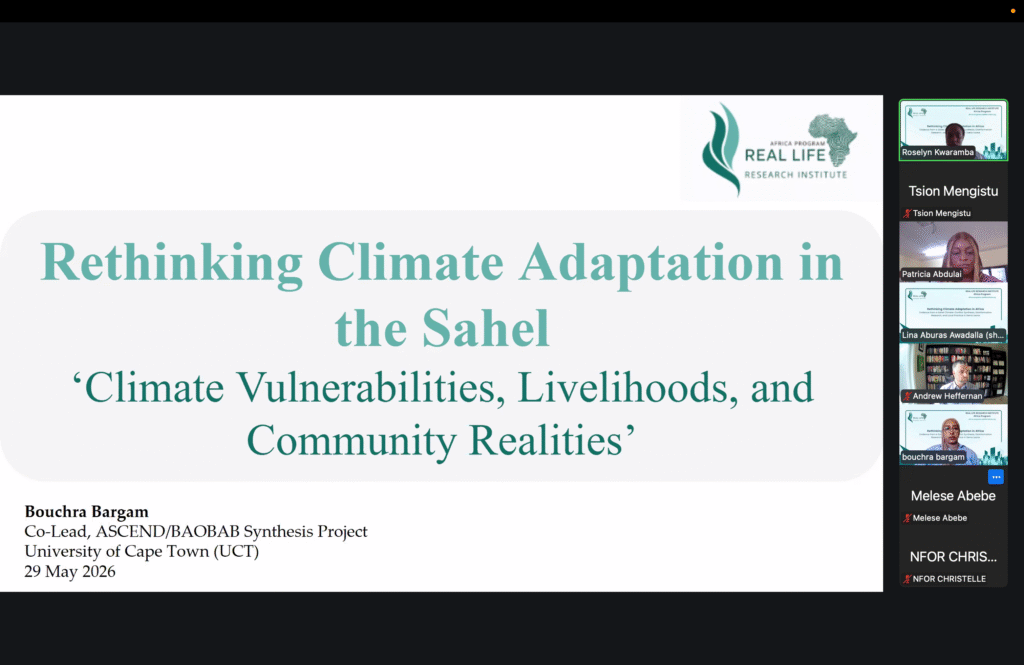
Africa contributes less than 4% of global greenhouse gas emissions yet absorbs a disproportionate share of the climate crisis, including floods, droughts, food insecurity, and displacement, with impacts accelerating faster than adaptation systems can respond. The harder paradox to confront is that the interventions designed to protect the continent’s most vulnerable populations are also failing, not because the science is wrong, but because the governance, language, and information environments surrounding adaptation are broken.
The Fall of Kidal and the Unravelling of Mali’s Military Legitimacy
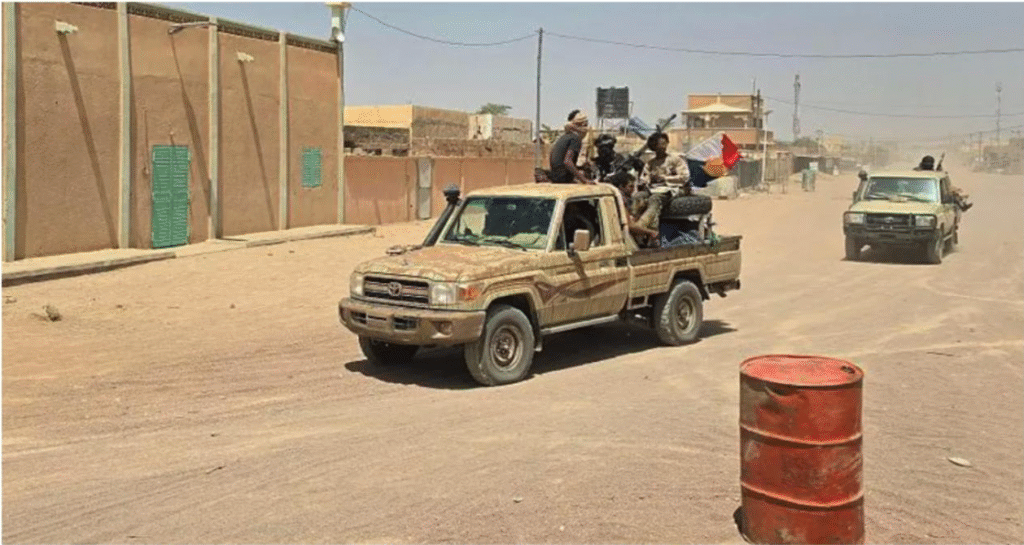
The fall of Kidal to armed groups in April 2026 is far more than a battlefield reversal. It is the moment Mali’s military government confronts the consequences of substituting performance theatre for substantive governance. With this, ‘The fall of Kidal proves that military performance theatre is no substitute for the institutional stability provided by democratic consent. This failure illustrates how relying on external force while marginalizing local voices only accelerates state retreat and long-term instability.
When AI Makes Decisions, Who’s Really in Charge?

Why responsible AI must be built into organizations, not left to external oversight alone. When people talk about governing artificial intelligence, they usually focus on laws, regulations, audits, and public oversight. Those tools matter, but they are only part of the picture. In practice, AI is mostly governed inside companies, long before regulators step in. […]
Shrinking Aid, Rising Instability: The Future of Peacebuilding in Sub-Saharan Africa
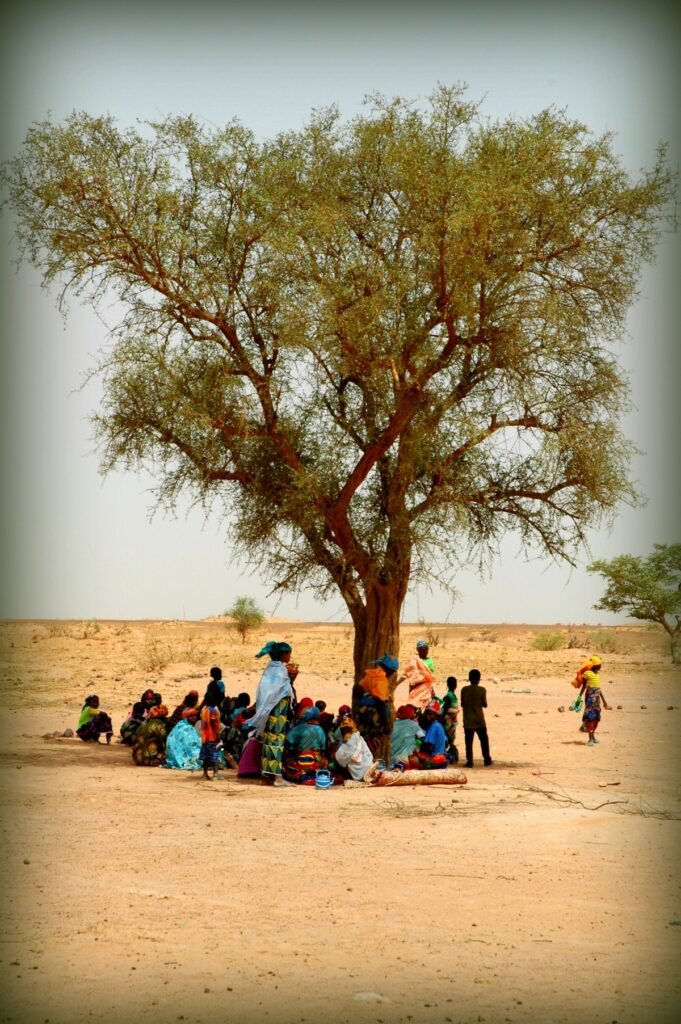
Peacebuilding initiatives across Sub-Saharan Africa are facing a difficult moment. While many post-conflict societies have made significant progress toward stability, dwindling international aid and growing geopolitical rivalries now threaten to reverse these gains. Unless African states rethink how peace initiatives are financed and sustained, the continent risks experiencing recurring cycles of conflict relapse and negative peace.
Aid for Trade and Development Cuts: How Donor Policy Shifts Are Deepening the Climate-Conflict Crisis in the Sahel
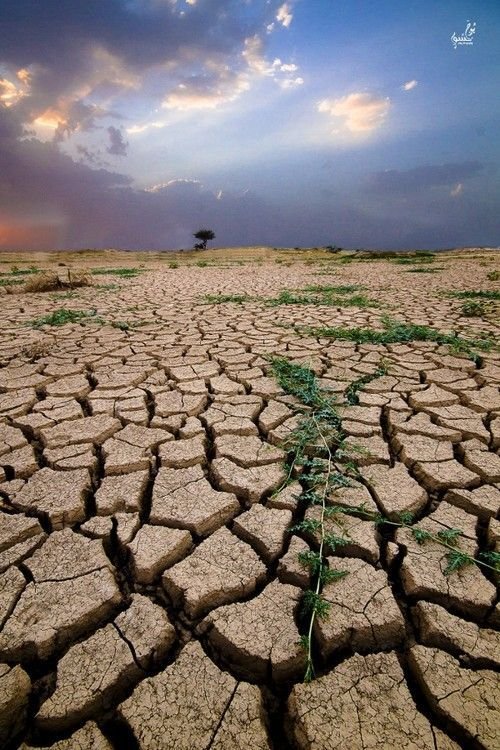
In major global donor capitals, from Washington and Ottawa to London and Paris, a growing “trade over aid” narrative is taking shape, with potentially catastrophic implications for the global humanitarian systems, particularly in the climate and conflict-ravaged Sahel.
Running away from Heat, Hunger and Violence: Understanding the Sequencing of Climate-Conflict Dynamics in the Sahel
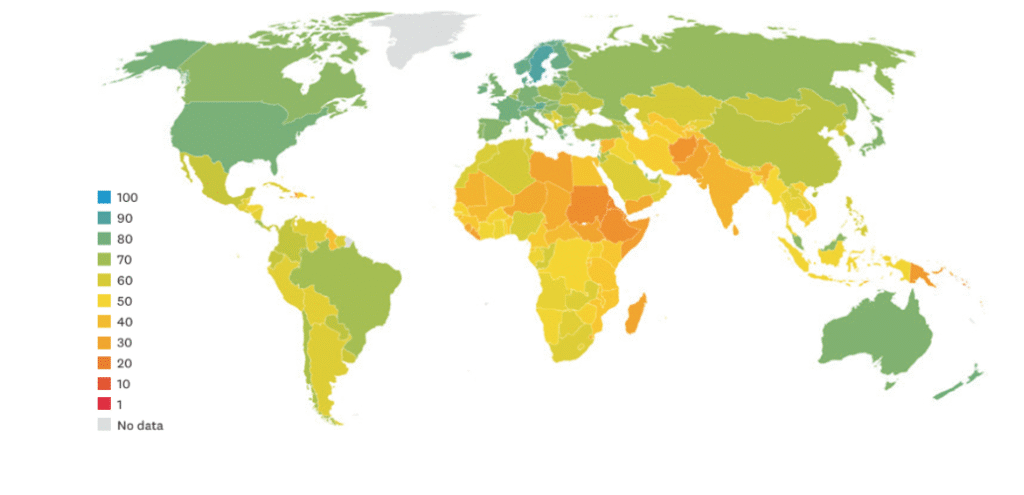
The Sahel has become emblematic of the emerging risks at the intersection of climate change, conflict, and human insecurity. Droughts, erratic rainfall, displacement, and violence increasingly overlap, often prompting common narratives that climate change directly causes conflict.
The Next Digital Divide: Why Africa Risks Becoming an AI Consumer Rather Than an AI Creator

Africa has made major progress in expanding digital connectivity, but artificial intelligence is reshaping the global digital economy. The next challenge is no longer just getting people online. It is ensuring Africa can participate in building and benefiting from AI, rather than relying on technologies developed elsewhere.
Inclusive Dialogue in Action: Reflections on Pope Leo XIV’s Apostolic Visit to Africa
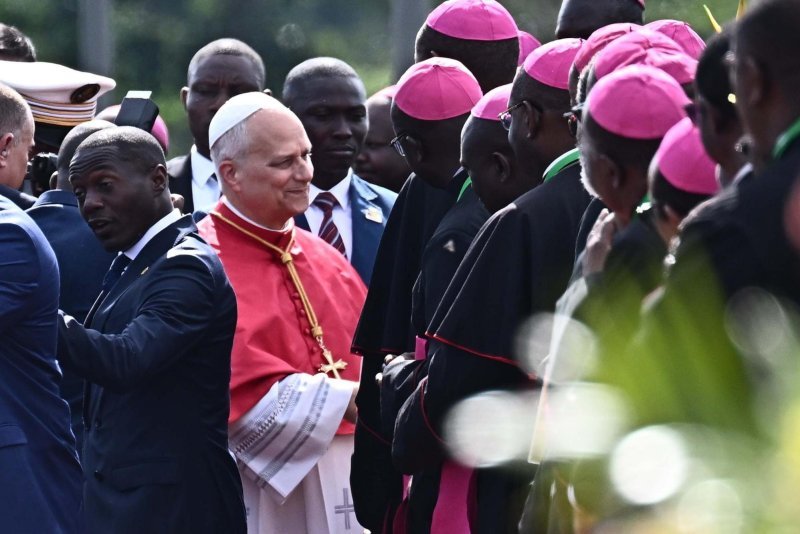
Pope Leo XIV’s April 2026 apostolic journey across Algeria, Cameroon, Angola, and Equatorial Guinea was more than a religious visit. It was a demonstration of what peacebuilding through inclusive dialogue can look like in practice. But inspiration alone is not enough; the real question is what comes next.
Africa’s Digital Infrastructure Is More Exposed Than It Appears
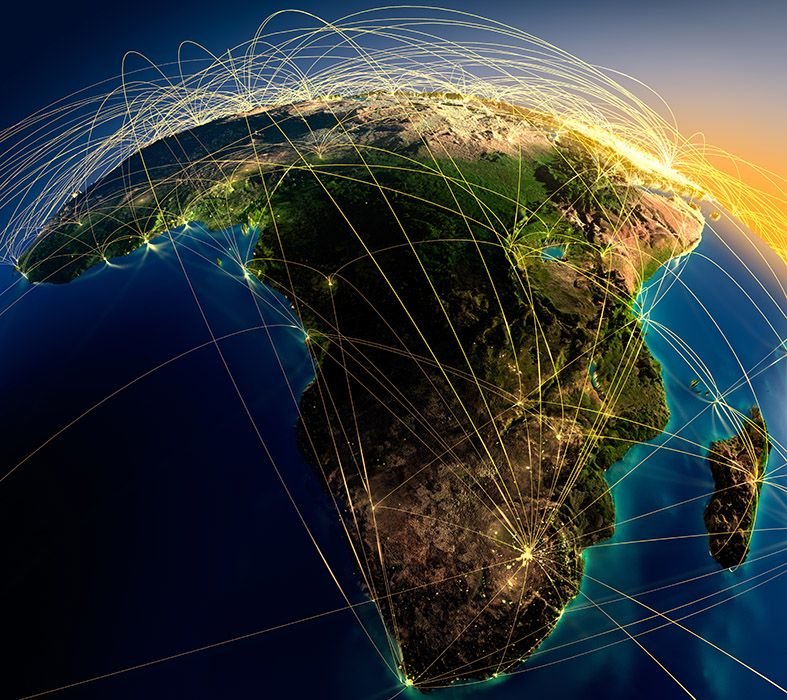
Africa’s digital growth relies heavily on international infrastructure beyond its control. Instability in the Middle East is beginning to expose this dependency, highlighting both the risks and the need to build more resilient, locally anchored digital systems.